Launch of the DRA Project: Strengthened Commitment Alongside Ebola-Affected Communities
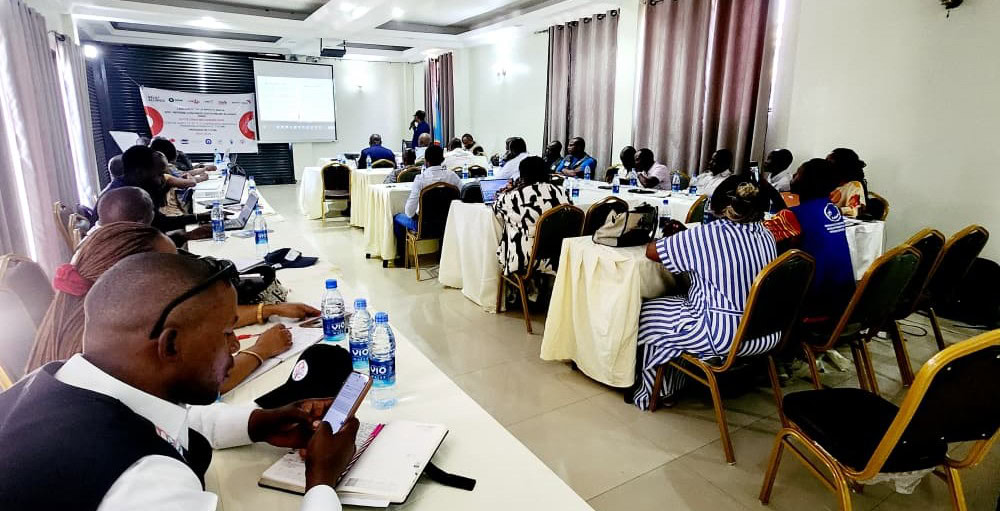
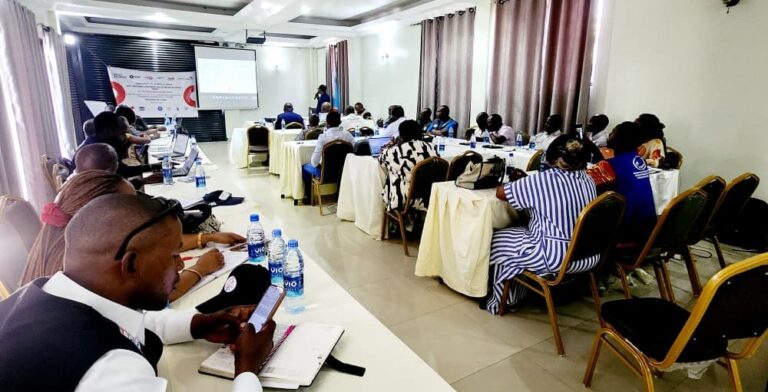
The implementation consortium of the Dutch Relief Alliance Disease Response Actions (DRA) project officially launched its activities in the Nizi Health Zone during a meeting that brought together administrative authorities, health officials, and community leaders at the multipurpose hall of the Mambasa Chiefdom.
This activity is part of the ongoing dissemination process initiated in Bunia and aims to strengthen the resilience of communities affected by Ebola Virus Disease (EVD) across several health areas in Ituri. The Nizi Health Zone is one of the six health zones targeted by the project. Interventions will primarily be implemented in the health areas of Lopa, Nizi, CE 39 of Iga-Barrière, and Lingo.
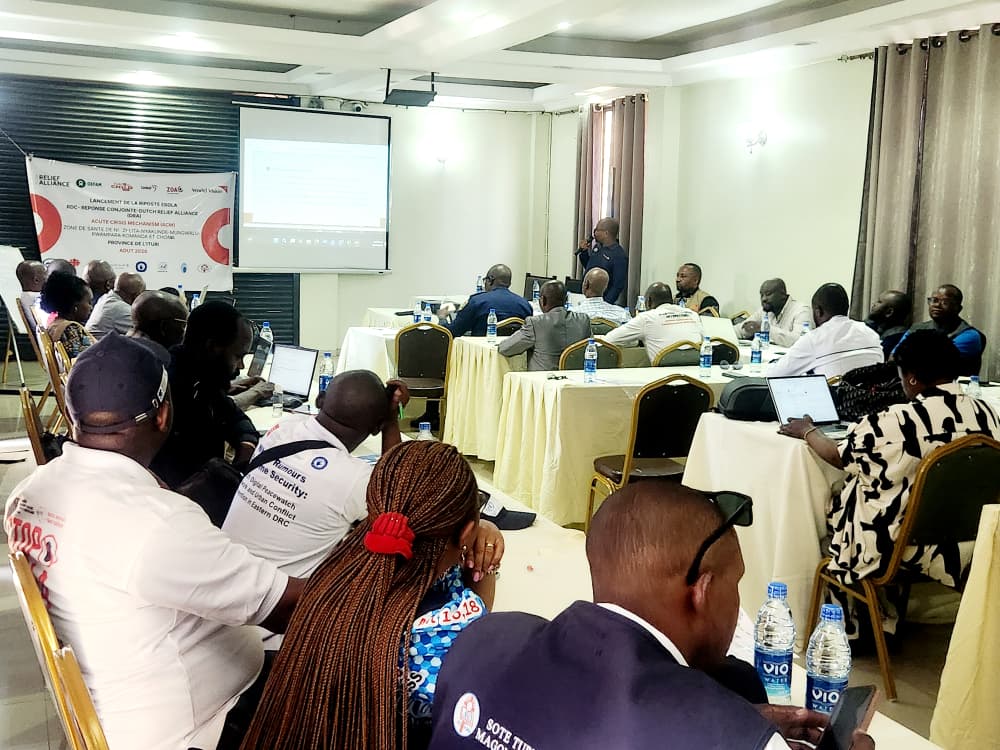
The project is being implemented by a consortium comprising Help a Child, ZOA, CORDAID, OXFAM, and World Vision, with the support of local partners.
A total of 44 community and institutional stakeholders attended the launch session, demonstrating the interest and commitment of communities toward EVD prevention and response efforts.
Participants, particularly those from the Lopa Health Area, where Help a Child and Collectif Alfa Ujuvi are already active, expressed their satisfaction with the arrival of the project. They view this initiative as a relevant response to the challenges that populations affected by the Ebola outbreak continue to face.
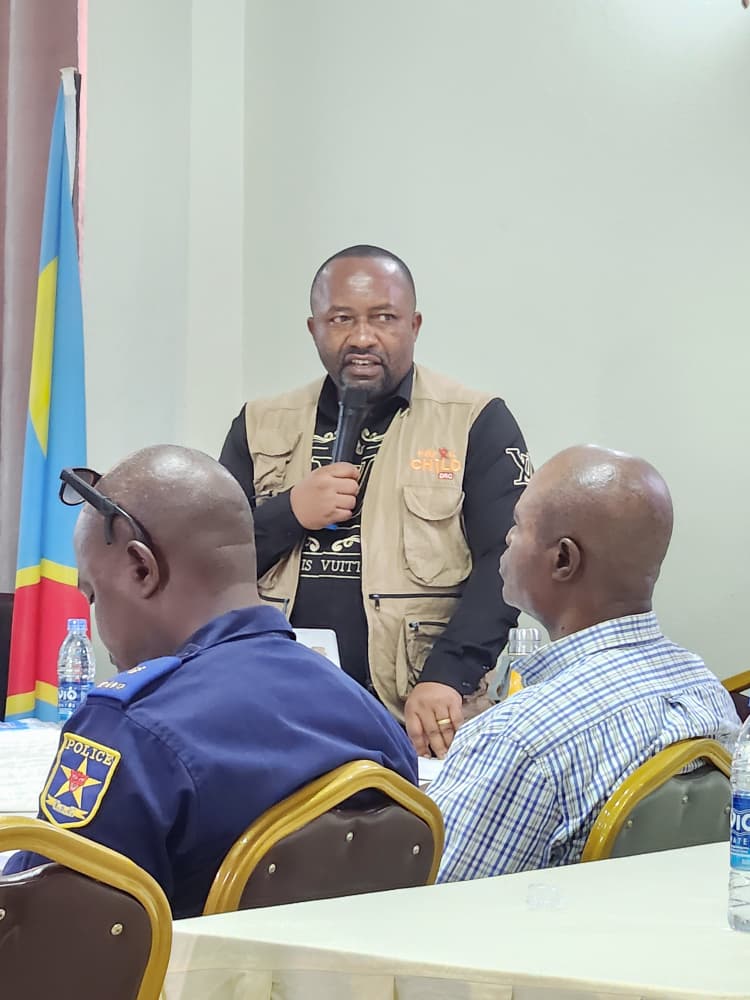
Consortium members presented the project’s objectives, expected outcomes, planned activities, and implementation modalities. The discussions that followed enabled participants to share their concerns, recommendations, and expectations.
- Participants highlighted the importance of improving the monitoring of contact cases, which was identified as one of the major challenges in controlling the spread of EVD in the Nizi Health Zone.
- Communities recommended that food security, WASH rehabilitation, and social assistance activities should prioritize EVD survivors and children who have become orphans as a result of the disease.
- Discussions also underscored the need to strengthen psychosocial support services for affected families dealing with the loss of loved ones or experiencing stigma.
- Participants emphasized the active involvement of community leaders, village chiefs, religious leaders, and other local actors in awareness-raising and prevention activities to foster community ownership of public health measures.
- The establishment of regular dialogue platforms between communities and response actors was recommended to combat rumors, strengthen trust, and promote greater adherence to prevention measures.
- The discussions also showed that communities have a clear understanding of their priority needs, particularly regarding contact tracing, psychosocial support, protection of affected children, and the reintegration of survivors.
- Finally, participants pointed out that needs remain significant and sometimes exceed the current scope of the project, highlighting the importance of continued advocacy to extend assistance to neighbouring areas facing similar challenges.
The participatory approach adopted during this meeting provides a solid foundation for strengthening prevention efforts, supporting vulnerable households, and promoting an effective and sustainable community-based response to the risk of Ebola resurgence.
Related news
Launch of the DRA Project: Strengthened Commitment Alongside Ebola-Affected Communities
The implementation consortium of the Dutch Relief Alliance Disease Response Actions…
Help a Child CHS certified
Since January 2024, Help a Child is certified against the Core Humanitarian Standard! We…
A safe space for 100 children in Aweil
For children returning home after displacement, finding a safe place to play, learn and…